Since their invention, vaccines have been a point of debate, both in public and academic domains. Although much research conducted through modern scientific methods in today’s day and age offers overwhelming evidence for the effectiveness of vaccines, the effects of debunked prior claims and dated medical philosophies, still echo in public perception all over the world.
The claim of a causal relationship between vaccines and autism originates from an article published in 1998 in the medical journal The Lancet named “Ileal-lymphoid-nodular hyperplasia, non-specific colitis, and pervasive developmental disorder in children“. The study investigated the link between MMR vaccines and increased risk of autism. The results suggested that eight out of 12 children—according to the parents—showed behavioral disorder symptoms, including autism. This article was later retracted after a series of allegations made against the research in 2004, including procedural errors, ethical violations, and unreported financial conflicts of interest. Between 2002 and 2004, numerous studies investigating the link between MMR vaccines and autism were published, however, the results of these studies suggested no link between the two. As a consequence, the article was fully retracted in 2010 and the leading researcher Andrew Wakefield lost his medical licence due to his involvement in this study.
Even though it became clear with further research that MMR vaccines are not linked to autism, it took 12 years for the article that caused this point of debate to be fully retracted. In the meantime, this study has been referred by many anti-vaccine activists to pursue legal action against vaccines. So even though this is not a scientific point of debate anymore, the public perception is rarely shaped by scientific research alone. The public mostly caters to ideas and talking points of influential people such as politicians and activists (the lead researcher of the MMR vaccine study Andrew Wakefield being one of them) which creates grounds for blatantly untrue narratives to spread regardless of the amount of evidence against them.
After All;
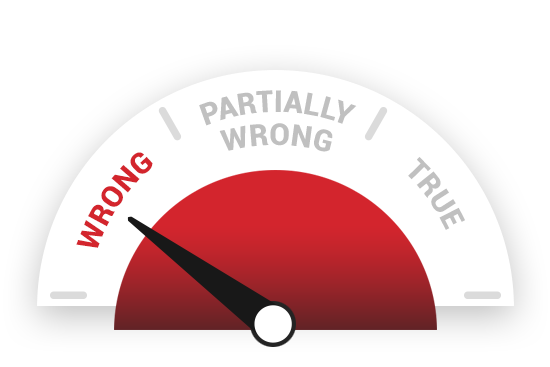
Is There a Causal Relationship Between Vaccines and Autism? Wrong.