

MSG, or monosodium glutamate, is a widely used flavor enhancer. This specific flavor is called umami, derived from the Japanese word for tasty: “umai”. Biochemist Dr. Kikune Ikeda coined the term umami after tasting the crystal compound he managed to extract from his wife’s kombu broth. This crystal compound turned out to be glutamic acid. Dr. Ikeda later produced and patented his invention, MSG, which allowed for a practical way to give umami flavor to any dish. Today, MSG is made by fermenting plant-based materials like corn or sugar cane. [1, 2]
The notion of MSG being a health hazard mainly emerged from a letter from Senior Research Investigator Robert Ho Man Kwok wrote to the New England Journal of Medicine in 1968 about issues he and his acquaintances were having after consuming Chinese food. He called it “Chinese Restaurant Syndrome”, defining it with a set of symptoms including “numbness in the back of the neck, gradually radiating to both arms and the back, general weakness, and palpitation”. Chinese restaurant syndrome is mentioned in many case studies and research papers about the effects of MSG. However, extensive research yielded no results for the existence of a link between MSG and such symptoms [2]. Although some researchers state the possibility that a small number of people with MSG sensitivity could have short-term mild reactions, MSG is recognized as safe to consume by the U.S. Food and Drug Administration (FDA) [3]. In fact, considering table salt (sodium chloride, with a sodium level of 39%) is a major contributor to cardiovascular disease; MSG (with a sodium level of 12%) can be used as a healthier alternative flavor enhancer to reduce the amount of sodium used in a dish without sacrificing flavor [1, 2].
After All;
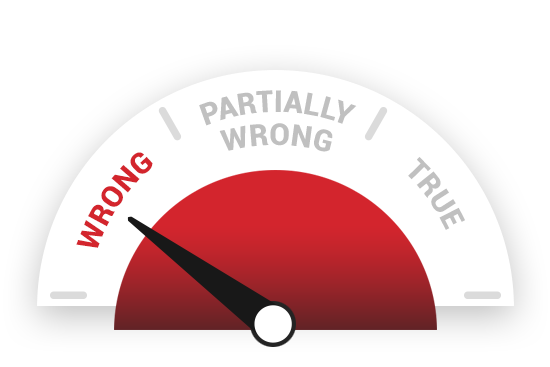
Is MSG bad for you? Wrong.
Resources & Further Reading
- https://www.ajinomoto.com/msg/what-is-msg-and-how-is-it-made
- https://www.ajinomoto.com/msg/is-msg-safe
- https://www.mayoclinic.org/healthy-lifestyle/nutrition-and-healthy-eating/expert-answers/monosodium-glutamate/faq-20058196#:~:text=Monosodium%20glutamate%20(MSG)%20is%20a,that's%20generally%20recognized%20as%20safe.